

Korean Lash Lift vs Traditional Lash Lift Which Is Better for Your Lashes
A lash lift can make straight, downward-pointing lashes look longer without extensions, mascara, or daily curling. The tricky part is choosing the right style. A traditional lash lift gives a noticeable curl and open-eye effect. A Korean lash lift usually aims for a softer, cleaner, more natural-looking lift.
Both treatments use chemical solutions to reshape the lash. Both can look beautiful when done well. The difference comes down to the technique, the products, the curl pattern, and how much drama you want every morning.

What a lash lift actually does
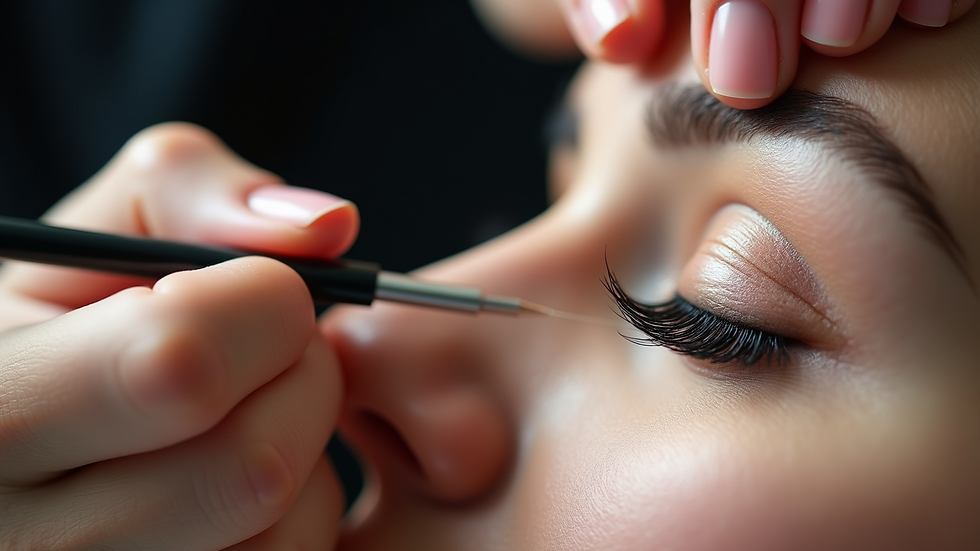
A lash lift reshapes your natural lashes from the base upward. The artist places your lashes onto a silicone rod or shield, applies a lifting solution to soften the lash bonds, then sets the new shape with a neutralizing solution. Many appointments also include tinting, which makes the lashes look darker and more defined.
The result usually lasts until your natural lashes shed and grow out. For many people, that means several weeks, though wear time varies based on lash growth, aftercare, oil exposure, sleeping habits, and the condition of the lashes.
The treatment does not add length or volume the way extensions do. Instead, it makes the lashes you already have more visible.
That is why the shape matters so much. A tight curl can make lashes look dramatic, but it may shorten the visible length from the front. A lifted sweep can make lashes look longer, but it may feel less curled from the side. Korean and traditional methods approach that balance differently.
How Korean lash lifts and traditional lash lifts differ
The easiest way to understand the difference is this: traditional lash lifts often focus on curl, while Korean lash lifts often focus on lift, separation, and lash health.
That does not mean every traditional lift is dramatic or every Korean lift is subtle. A skilled artist can adjust either method. Still, the general approach tends to differ.
Feature | Korean lash lift | Traditional lash lift |
Overall look | Soft, lifted, clean, natural | Curled, open, more noticeable |
Curl shape | Often straighter at the base with a gentle bend | More rounded curl from base to tip |
Lash separation | Usually very precise and combed | Can be precise, but varies by artist |
Products | Often marketed as gentler, conditioning, or keratin-based | Standard lifting and setting lotions |
Best for | Natural enhancement, straight lashes, low-maintenance beauty | Bigger curl, visible lift, more glam effect |
Main risk | May look too subtle for some people | Can look over-curled if the rod or timing is not right |
The best choice depends on your natural lash type and your preferred finish. Someone with long, straight lashes may love the sleek upward effect of a Korean lift. Someone with shorter lashes may prefer a traditional curl because it creates more visible shape.

The technique feels similar, but the details change the result
At a glance, both treatments look almost the same during the appointment. You lie down with your eyes closed while the artist cleanses the lashes, protects the lower lashes, places shields on the lids, and brushes the upper lashes into position.
The difference is in the small choices.
Shield shape and placement
Traditional lash lifts often use rounded rods or shields to create a C-curl or D-curl effect. This can make the lashes look bouncy and curled, especially from the side.
Korean lash lifts often use flatter or more anatomically shaped shields that encourage the lashes to lift from the root before curving softly. The goal is usually a graceful upward sweep rather than a tight curl.
Shield size matters too. A smaller shield creates a stronger curl. A larger shield creates a softer lift. If the shield is too small for long lashes, the ends can curl back too much. If it is too large for short lashes, the lift may barely show.
Lash placement
This is where Korean lash lifts get much of their reputation. Many Korean-style techniques emphasize meticulous lash separation. Each lash is brushed into place so the final result looks clean, fanned, and even.
Traditional lifts can also be beautifully separated, of course. The difference is that some traditional services focus more on the curl result than the “every lash in its lane” finish.
A lash artist who specializes in Korean-style lifting may spend extra time arranging the lashes before applying solution. That extra attention can make the finished result look polished even without mascara.
Processing time
Both methods rely on timing. Fine lashes process faster. Coarse or very straight lashes may need more time. Overprocessing can leave lashes dry, frizzy, or bent. Underprocessing can lead to a weak lift that drops quickly.
A responsible artist checks lash thickness, previous treatments, and lash condition before deciding how long to leave the product on.
A common professional view is that the product matters, but timing and placement matter more. Even a gentle formula can cause problems if it is left on too long or applied carelessly.
The products used are not always as different as the names suggest
The beauty industry loves labels. “Korean,” “keratin,” “collagen,” “botanical,” and “nourishing” all sound comforting, especially when the service happens near your eyes. The label alone does not prove that a product is safer or better.
Traditional lash lift systems usually include:
A lifting or perming lotion
A setting or neutralizing lotion
Adhesive or balm to hold lashes on the shield
Optional tint
Optional conditioning serum
Korean lash lift systems may include similar steps, but they are often marketed with:
Softer cream-based formulas
Conditioning ingredients
Keratin or protein treatments
Balm-style adhesives instead of stronger glue
Lower-odor products
Those extras can improve the experience, especially for people who dislike strong chemical smells or want a softer lash feel after the appointment. Still, the lift itself comes from the chemical reshaping process.
The key question is not only “Is it Korean?” A better question is, “What system do you use, and how do you adjust timing for my lashes?”
A well-trained artist should be able to explain the process in plain language. They should also recommend waiting if your lashes are brittle, recently overprocessed, or recovering from extensions.

How the results look in real life
Photos can be misleading because lighting, mascara, tint, and natural lash length make a huge difference. Still, there are clear patterns in how each style tends to look.
Korean lash lift results
A Korean lash lift often looks clean, glossy, and effortless. The lashes appear lifted from the root and separated across the lash line. The effect can resemble naturally good lashes rather than an obvious beauty treatment.
People who like this style often say things like:
“My lashes look longer, but not fake.”
“I can skip mascara and still look awake.”
“The curl grew out softly.”
“It looks better for everyday makeup.”
This option suits people who prefer a natural look, have straight lashes that point downward, or want a polished result without a strong curl.
The drawback is that it may feel too subtle if you want a big transformation. If your lashes are short or sparse, a Korean lift will not create the density of extensions or the boldness of strip lashes. Tint can help, but it cannot add lashes that are not there.
Traditional lash lift results
A traditional lash lift usually gives a more obvious curled effect. It can make the eyes look rounder and more open. For people whose lashes are long but droop downward, the change can be dramatic.
Fans of traditional lifts often say:
“It looks like I used an eyelash curler.”
“My lashes finally show in photos.”
“Mascara goes on much better.”
“The curl makes my eyes look bigger.”
This option works well for people who want more visible curl and do not mind a slightly styled look.
The possible downside is shape. If the curl is too tight, lashes can look shorter from the front or bend at the tips. If the artist uses the wrong shield, the lift may look uneven. On dry or damaged lashes, a strong curl can also make texture more noticeable.
Benefits and drawbacks of each method
Both services can be worth it. Both can also disappoint if the artist chooses the wrong shape or rushes the process.
Korean lash lift benefits
Soft, natural finish
Great lash separation
Often comfortable grow-out
Good for everyday, low-makeup looks
Often paired with conditioning steps
Traditional lash lift benefits
More visible curl
Works well with mascara
Can make eyes look more open
Often widely available
Good option for a bolder lash look
Korean lash lift drawbacks
May not look dramatic enough
Results can be harder to notice on short lashes
Quality varies by salon and product line
Sometimes costs more due to technique branding
Traditional lash lift drawbacks
Can over-curl if shield size is wrong
May grow out less softly
Can make dry lashes look frizzy if overprocessed
Results depend heavily on timing
The biggest shared benefit is convenience. You wake up with lashes already shaped. The biggest shared risk is damage from poor technique.
A lash lift should not burn, sting intensely, or leave lashes kinked and brittle. Mild watering can happen for some people, but strong discomfort is a reason to speak up right away. If you have sensitive eyes, allergies, or a history of reactions to lash tint or adhesives, ask about a patch test before booking.
What lash artists look at before choosing a method
A good lash artist does not choose based only on trends. They look at the actual lashes.
Lash length
Long lashes can handle a softer lift because there is enough length to show the shape. Short lashes may need a smaller shield or a more defined curl to make the result visible.
Lash direction
Downward-growing lashes often benefit from a root lift. This is where Korean-style shaping can shine. Lashes that already curl naturally may need only a soft adjustment.
Lash thickness
Thick, coarse lashes may resist lifting and need careful processing. Fine lashes can process quickly, so gentle timing matters.
Eye shape
Round eyes may look more balanced with a lifted, swept shape. Hooded lids may need root lift so the lashes do not disappear under the lid. Deep-set eyes may need a curl that opens the lash line without touching the upper lid.
Personal style
Some people want “my lashes but better.” Others want “I curled them and added mascara.” Neither is wrong.
One experienced lash artist might recommend a Korean lift for a client who wears minimal makeup and wants soft grow-out. The same artist might recommend a traditional lift for a client who loves mascara, photos, and a more noticeable curl.

Aftercare is almost the same for both
Aftercare advice varies by product system, so follow your artist’s instructions. Most salons suggest keeping lashes dry and avoiding steam, heavy eye creams, and oil-based products for the first day or so. After that, gentle care helps the lift last.
Good aftercare habits include:
Brush lashes with a clean spoolie.
Avoid rubbing your eyes.
Use oil-free eye makeup remover if your artist recommends it.
Keep waterproof mascara to a minimum, since removal can be rough.
Use a lash conditioner if your artist approves it.
Do not book lash lifts too close together. Repeated processing can weaken lashes. Many artists recommend waiting until the lift has mostly grown out before doing another one.
Which lash lift is better for you
Choose a Korean lash lift if you want:
A soft, natural-looking lift
Clean separation
A glossy, low-maintenance finish
A look that grows out gently
Less of an obvious curled effect
Choose a traditional lash lift if you want:
A stronger curl
A more noticeable eye-opening effect
A result that pairs well with mascara
A classic lifted-lash look
More visible change from the side
If you are unsure, bring reference photos to your appointment, but choose photos with lashes similar to yours. A picture of naturally dense, long lashes will not predict the same result on fine or sparse lashes.
The best salons will talk you through what is realistic. They will not promise extension-like volume from a lift alone.
The final verdict
There is no single winner. Korean lash lifts are often better for people who want soft, separated, natural-looking lashes. Traditional lash lifts are often better for people who want a stronger curl and a more noticeable change.
The real answer comes down to your lashes, your eye shape, and the artist’s skill. A careful traditional lift can look elegant. A poorly done Korean lift can fall flat. Product names matter less than consultation, timing, shield choice, and lash placement.
If you love a clean, effortless look, start with the Korean style. If you want that freshly curled effect every day, a traditional lift may make you happier.
Have you tried either one? Share your experience in the comments, including your natural lash type, which lift you chose, and whether you would book it again. Your story could help someone else choose the right lash lift with more confidence.

Comments